
Language Fluency
21 Popular Flowers in Japan (and How to See Them!)
Guest Post

21 Popular Flowers in Japan (and How to See Them!)

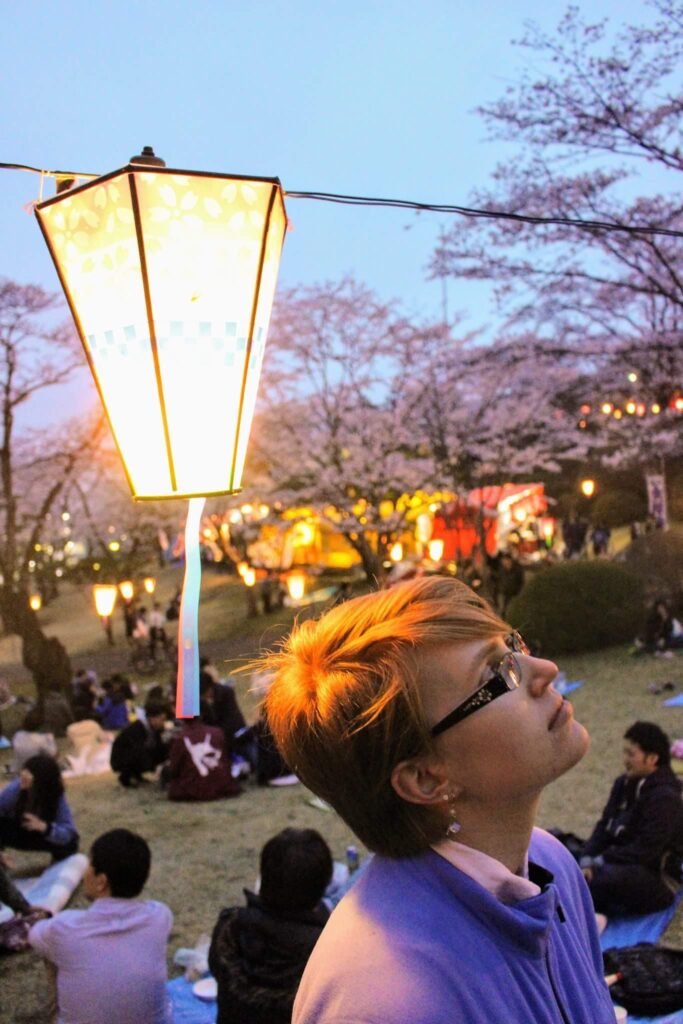
“Flower” in Japanese is 花 (hana), and boy, does Japan have a lot of culturally significant flowers! You can see this in especially 生け花 (ikebana), or the Japanese art of flower arranging. In this article, I’ll introduce you to some interesting linguistic and cultural aspects of flowers in Japan and where to see them. I…

Read
Kanamara Matsuri and Honen Matsuri: Comparing fertility “penis” festivals in Japan
Main Categories

Kanamara Matsuri and Honen Matsuri: Comparing fertility “penis” festivals in Japan

You may have heard of Japan’s so-called “penis” festivals (yes, plural) – the most famous being the Kanamara Matsuri, visitable easily from Tokyo. But what are these actually about? Attending festivals (祭り, matsuri) is a great way to use your Japanese language skills and participate in the culture. I visited two during my years living in Japan: the…

Read
Water in French: Essential Vocabulary (with Audio)
Guest Post

Water in French: Essential Vocabulary (with Audio)

“Water” in French is Eau (pronounced /o/). Eau often goes with a definite or an indefinite article, so you’ll mostly see it as de l’eau, d’eau, or l’eau. It’s a useful word in many situations — whether you’re traveling in France, eating at a French restaurant, or renting a house from a French-speaking person! As a French graduate, here is my handy vocabulary…

Read
Bastille Day: What You Need to Know About France’s National Day
Culture

Bastille Day: What You Need to Know About France’s National Day

Bastille Day, or la fête nationale (“the National Day”) as it’s known in France, takes place on July 14th. It marks the storming of the Bastille prison in 1789, a key moment in the French Revolution. National days like this are packed with history, culture, and useful vocabulary — which are always interesting for learners.As a French…

Read
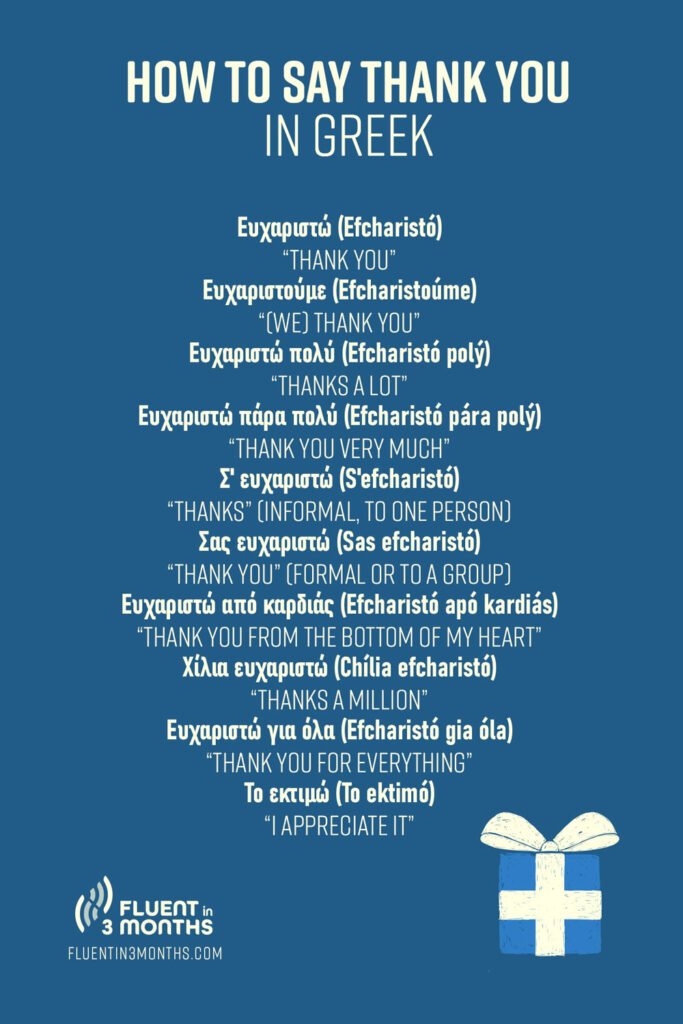
Cool Greek Names and Their Meanings
Culture

Cool Greek Names and Their Meanings

The Greek language is not short of cool names. You’ve probably heard of Aphrodite, the goddess of love and beauty; or Zeus, the god of the sky. These names only scratch the surface — since Greek is one of the oldest languages in the world, its ancient mythology, epic tales, and modern history are full…

Read
How to Say Friend in French
Guest Post

How to Say Friend in French

The most common word for “friend” in French is ami. As with every other French noun, ami also has masculine and feminine forms — un ami is a male friend and une amie is a female friend. Similar to how “buddy,” “pal,” or “mate” also mean friend in English, French also has other words for friend. For example, for your male friends, you…

Read
French Imparfait: Uses, Conjugations, and Examples
Guest Post

French Imparfait: Uses, Conjugations, and Examples

Imparfait is the French imperfect tense, and you’ll hear it often in daily life. It’s used for ongoing actions in the past, similar to the English past continuous tense, such as “I was doing,” “I was going,” and “I was studying.” But that’s not it — it can also mean “to be used to” depending on…

Read
French Subjunctive Explained: What Is It and How to Practice It
Guest Post

French Subjunctive Explained: What Is It and How to Practice It

Le subjonctif, or the “French subjunctive” can be tricky. Is it a tense? Not really. Is it conjugated like the tenses? Yes, we can say so. But what is it? The most appropriate way to define the subjunctive would be that it’s a verb mood. It’s used to express some feelings, such as uncertainty, emotion, doubt,…

Read
Japanese Sentence Structure
Guest Post

Japanese Sentence Structure

First things first: To sound fluent in Japanese, you’ll need to master Japanese sentence structure. Now, a language like Japanese might seem really difficult at first (especially to English speakers!), but don’t worry – it’s a very logical language! And I should know – I’ve been learning Japanese since I was an early teenager, lived…

Read
About this site

Language learning that actually goes somewhere.

Language Fluency started because most language content online says the same things. I wanted a place with guides that are honest about what works, what doesn't, and what it actually feels like to learn a language from scratch.

No sponsored apps, no generic tips. Just things I've tested, researched, and found genuinely useful — whether you're a complete beginner or stuck at the intermediate plateau.