How Social Media Can Support Language Learning
137 views
Learning a new language isn't just about memorizing vocabulary or finishing textbook exercises. The biggest challenge for many learners is finding regular opportunities to hear, read, and use the language in real situations.
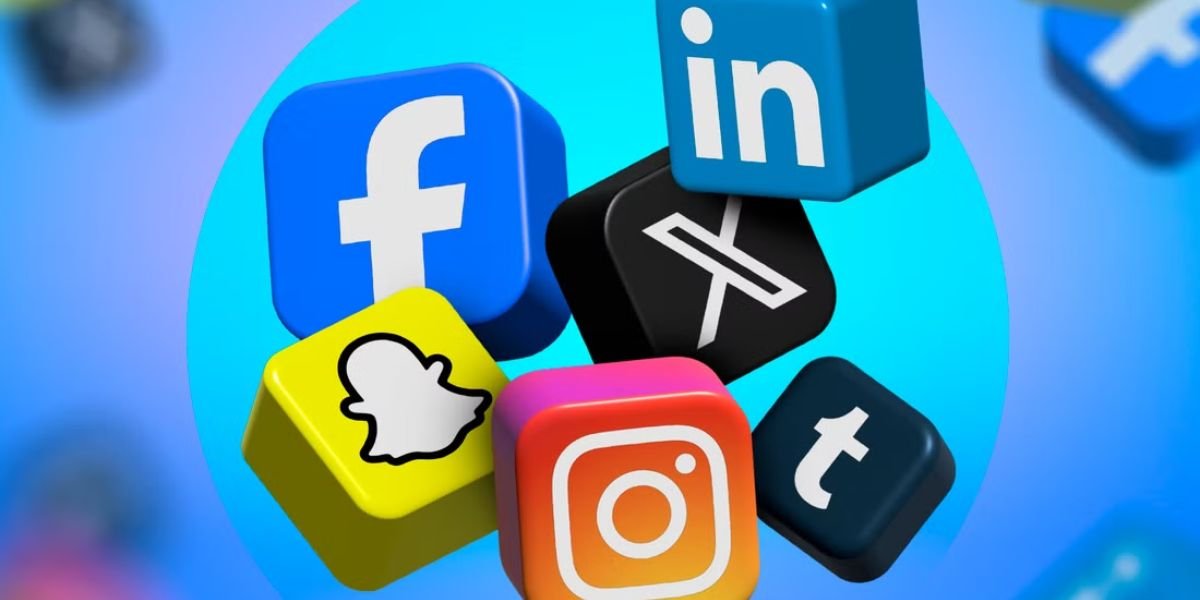
That's where social media can make a real difference. Instead of treating language practice as something that only happens during study sessions, you can surround yourself with authentic conversations, videos, news, and communities throughout the day. Used thoughtfully, social media can help build confidence, improve comprehension, and expose you to how people actually communicate.
This guide explains how social media can support language learning, the best ways to use it effectively, common mistakes to avoid, and practical tips for making steady progress.
What Is Social Media-Based Language Learning?
Social media-based language learning means using platforms where people create and share content as part of your language study routine. Rather than relying only on structured lessons, learners interact with authentic materials created by native or proficient speakers.
Examples include:
Watching short educational videos
Reading posts and comments
Following creators who teach grammar or vocabulary
Joining language-learning communities
Chatting with other learners or native speakers
Listening to podcasts and live streams shared on social platforms
Organizations such as the American Council on the Teaching of Foreign Languages (ACTFL) emphasize that meaningful communication and authentic language use play a central role in developing proficiency. Technology works best when it supports interaction rather than replacing it.
Why Social Media Is Helpful for Language Learners
Traditional learning often provides carefully designed lessons, but everyday communication looks very different.
Social media exposes learners to:
Natural conversations
Current slang and expressions
Different accents
Cultural references
Everyday writing styles
Real-world pronunciation
This constant exposure helps learners become more comfortable understanding language outside a classroom.
ACTFL also highlights that learners develop stronger communication skills through meaningful interaction and authentic materials rather than isolated drills.
Benefits of Using Social Media for Language Learning
Authentic Language Exposure
Native speakers rarely talk exactly like textbook examples.
By following creators, news outlets, educators, and everyday users, learners hear natural sentence patterns, common expressions, and conversational grammar.
This makes listening and reading feel more realistic.
Daily Practice Without Extra Study Time
Many people already spend time on social media.
Changing your feed to include content in your target language turns everyday scrolling into additional practice.
Even 10 to 20 minutes each day can increase exposure significantly over time.
Better Listening Skills
Videos, live streams, interviews, and short clips expose learners to:
Different speaking speeds
Regional accents
Informal conversations
Everyday pronunciation
Listening to a variety of speakers gradually improves comprehension.
Expanded Vocabulary
Words appear naturally within context.
Instead of memorizing isolated vocabulary lists, learners repeatedly encounter words used in real conversations, making them easier to remember.
Greater Cultural Understanding
Language and culture are closely connected.
Social media introduces learners to:
Holidays
Food
Humor
Music
Local traditions
Everyday lifestyles
UNESCO recognizes multilingualism and language learning as valuable for cultural understanding and inclusive communication across communities.
Best Ways to Use Social Media for Language Learning
1. Change Your Device Language
Switch your phone or selected apps to your target language once you're comfortable with basic vocabulary.
You'll begin recognizing common interface words every day without extra effort.
2. Follow High-Quality Accounts
Choose accounts that regularly publish educational or informative content, such as:
Language teachers
Museums
News organizations
Universities
Travel creators
Science communicators
Book reviewers
This creates a healthier learning environment than following random accounts.
3. Watch Short Videos Actively
Instead of passively watching:
Listen once without subtitles.
Watch again with subtitles.
Write down unfamiliar words.
Repeat useful phrases aloud.
This improves both listening and pronunciation.
4. Read Comments Carefully
Comment sections often contain everyday language, questions, jokes, and opinions.
While not every comment uses perfect grammar, they can help learners recognize informal writing styles.
5. Join Language Communities
Many communities encourage learners to:
Ask questions
Share writing
Practice speaking
Exchange corrections
Discuss grammar
Constructive feedback helps learners improve more quickly.
Creating an Effective Daily Routine
A consistent routine usually works better than long study sessions once or twice a week.
Here's a simple example:
Time | Activity |
|---|---|
10 minutes | Watch educational videos |
10 minutes | Read posts from native speakers |
10 minutes | Save new vocabulary |
10 minutes | Write a short comment or journal entry |
10 minutes | Review saved words |
An hour isn't required. Even 20 to 30 minutes of focused practice each day can be valuable.
Combining Social Media With Traditional Learning
Social media works best as part of a broader learning strategy.
Traditional Learning | Social Media |
|---|---|
Grammar lessons | Real conversations |
Vocabulary study | Vocabulary in context |
Reading exercises | Current news and posts |
Listening practice | Authentic speech |
Writing assignments | Everyday communication |
ACTFL notes that technology should enhance language learning, not replace quality instruction or meaningful interaction.
Common Mistakes to Avoid
Depending Only on Social Media
Watching videos alone won't build complete language skills.
Include:
Reading
Writing
Speaking
Listening
Grammar study
Balanced practice produces better long-term results.
Following Too Many Difficult Accounts
If nearly every post requires translation, learning becomes frustrating.
Choose content that's challenging but still understandable.
Ignoring Pronunciation
Many learners focus only on reading.
Try repeating words and sentences aloud whenever possible.
Speaking reinforces memory and improves confidence.
Memorizing Slang Too Early
Informal expressions can be useful later, but beginners should first learn standard grammar and common vocabulary.
That foundation makes slang easier to understand.
Comparing Yourself to Others
Some creators appear fluent after only a short time.
Everyone learns differently.
Focus on steady improvement rather than comparing your progress.
Best Practices for Long-Term Success
To get the most from social media, try these habits:
Follow native speakers from different regions.
Save useful posts for later review.
Keep a vocabulary notebook or digital list.
Interact respectfully when joining discussions.
Review old vocabulary regularly.
Mix educational and entertaining content to stay motivated.
Limit distractions by setting specific learning times.
Small improvements every day often lead to noticeable progress after several months.
Signs That Your Skills Are Improving
Language learning isn't always obvious day to day.
Watch for these milestones:
You understand more without subtitles.
Reading comments becomes easier.
You recognize repeated expressions.
You need a dictionary less often.
Writing short messages feels more natural.
Native speakers become easier to follow.
These changes usually appear gradually rather than all at once.
Frequently Asked Questions
Is social media enough to become fluent in a language?
No. Social media provides valuable exposure and practice, but fluency usually requires structured learning, speaking practice, reading, writing, and regular interaction in the language.
Which social media platform is best for language learning?
There isn't one best platform. Choose the platforms where you can consistently find high-quality content in your target language and interact with other learners or native speakers.
Should beginners use social media?
Yes. Beginners can start by following educational accounts, watching simple videos, and reading basic posts. As their skills improve, they can gradually explore more challenging content.
How much time should I spend each day?
Consistency matters more than length. Spending 20 to 30 focused minutes each day often produces better results than studying for several hours only once a week.
Is it okay to use automatic translation?
Yes, in moderation. Translation tools can help when you're stuck, but try understanding the content first before checking the translation. This strengthens comprehension over time.
Make Social Media Part of a Balanced Learning Plan
Social media offers something traditional textbooks can't always provide: constant access to authentic language used by real people in real situations. It helps learners hear natural speech, discover everyday vocabulary, and gain cultural insights that make communication more meaningful.
The most successful learners don't rely on social media alone. They combine it with structured study, regular practice, and meaningful interaction. Build a feed that supports your goals, stay consistent, and treat every post, video, or conversation as another opportunity to strengthen your language skills. Over time, those small daily moments can add up to remarkable progress.
social media learning
language community
online practice
language resources
digital learning
Found this helpful? Share it!